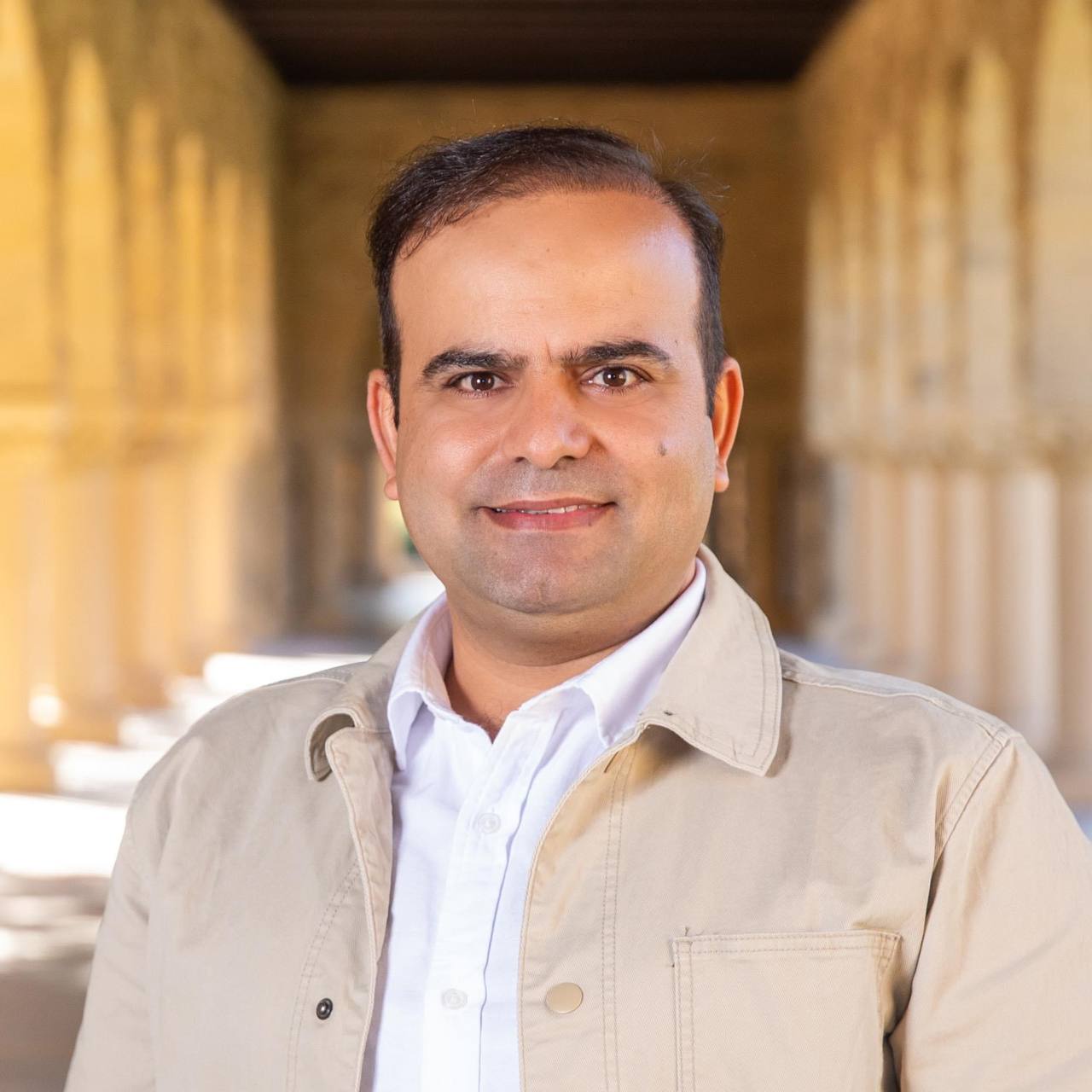
Faisal Karimi is a journalism educator, media researcher, and media entrepreneur with more than two decades of experience spanning journalism practice, newsroom leadership, media development, and academic research.
Currently, he is a Lecturer in Journalism at California State University, Sacramento, and the founder and director of the Afghanistan Institute for Research and Media Studies (AIRMS), which includes the Afghanistan Women's News Agency (AWNA) — a multimedia exile news platform dedicated to reporting on women's rights and issues in Afghanistan. He also founded Nowruz Media, a multilingual community newsroom serving Afghan immigrants across California. Karimi is a John S. Knight Journalism Fellow at Stanford University, where his work focused on the sustainability of exiled media. He is also an alumnus of the Alfred Friendly Press Partners fellowship at the University of Missouri and the Kiplinger Program in Public Affairs Journalism at Ohio University.
Earlier in his career, he served as Assistant Professor and journalism department chair and associate dean at the School of Journalism and Communication at Herat University in Afghanistan, where he taught online journalism, multimedia reporting, investigative journalism, media management, and media law and ethics. He has also been a visiting scholar and lecturer at San Jose State University, Ohlone College and New University in Exile Consortium at New School. His professional experience includes roles as a senior journalist, editor-in-chief, researcher, and media development specialist with national and international organizations, among them Internews, Institute for War and Peace Reporting (IWPR), Global Forum for Media Development (GFMD), and Equal Access International.
His research and professional interests center on journalism in exile, media sustainability, the digital transformation of newsrooms, press freedom, women journalists in Afghanistan, and media and information ecosystems in conflict and post-conflict societies. Karimi holds a master's degree in New Media Studies from Shanghai Jiao Tong University and a bachelor’s degree in journalism and communication from Herat University and advanced studies at San Jose State University.
Representative Publications
Media Capture Strategies in an Islamic Authoritarian Context: The Case of the Taliban. San Jose State University Human Rights Institute, 2023.
Afghanistan’s Media Crisis: How the Taliban Assaults Media Freedom. John S. Knight Journalism Fellowships, Stanford University, 2024.
In Conflict Between Leaving and Staying: Identifying the Challenges of Women Journalists and the Effects on the Intention to Leave the Journalism Profession. Media Asia, 2023.
The Information Ecosystem in Afghanistan and Implications for Humanitarian Action. Internews, 2023.
A Study of the Scientific Publications by Afghan Researchers Indexed in the Scopus Database before the Taliban Resurgence with an Emphasis on Co-authorship Relations. Caspian Journal of Scientometrics, 2023.
Social Media and Government: A Content Analysis of Facebook Pages of Afghanistan National Unity Government. 2018.
Exiled Journalism’s Biggest Threat Is Something More Mundane than Censorship. Harvard Nieman Journalism Lab, 2025.